Tuesday, October 1, 2013

Saudi-Yemen Barrier Blocks Ethiopian Migrants
Saudi-Yemen Barrier Blocks Ethiopian Migrants

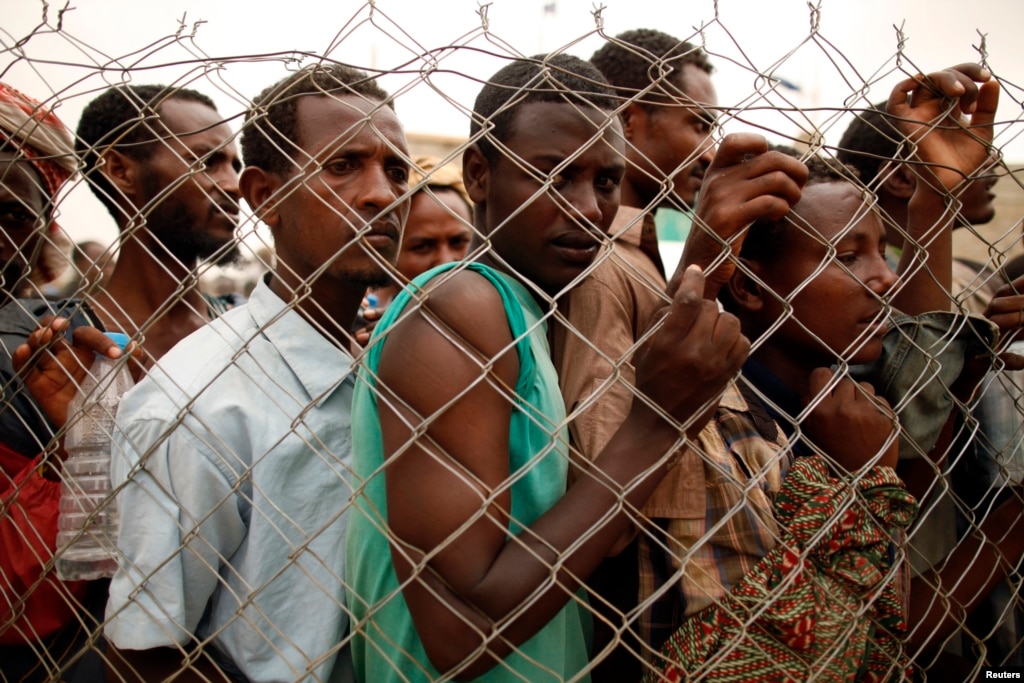
Ethiopia migrant workers seeking jobs in Saudi Arabia are being turned back on March 16, 2012, in Haradh, a town in western Yemen near the site where the Saudi government is erecting a fence along the border. (Reuters)
Ethiopia migrant workers seeking jobs in Saudi Arabia are being turned back on March 16, 2012, in Haradh, a town in western Yemen near the site where the Saudi government is erecting a fence along the border. (Reuters)A popular path for Ethiopians to work as illegal household help in Saudi Arabia has been blocked by construction of a 75 kilometer-long three meter-high concrete-filled pipeline, that is supposed to eventually span the entire 1,800 kilometer Saudi-Yemen border. 
 
The Saudi-Yemen Barrier is designed to discourage illegal entry by Yemenis and other foreigners from sneaking across the border for work, to stop smugglers bringing in weapons for extremists and to end the shipment of qat – a plant whose leaves are a mild but illegal stimulant – to eager Saudi consumers.
 
Early construction has already cut off the route taken by thousands of poor Ethiopians seeking household jobs in Saudi Arabia’s wealthy middle class.
 
According to International Office for Migration (IOM) officials in Sana’a, 25,000 Ethiopians hoping for jobs as maids, cooks, nannies, gardeners and drivers in Saudi cities have been stopped at the barrier and now live in scattered temporary encampments not far from the fence.
 
IOM operates an emergency center there that provides water, food and medical help daily to about 3,500 of the most needy, said Marco Chimenton of the IOM office in Sana’a. The IOM has also repatriated thousands of Ethiopians from Yemen but has faced problems funding the flights in recent years. 
 
Foreigners do Saudi menial labor 

Saudi officials estimate that a million jobs in the Kingdom are filled by foreign workers.  Most are filling low-paying positions. “Anyone doing any sort of menial labor is basically a foreigner,” said Adam Coogle of Human Rights Watch in Amman.
 
Traditionally, the largest percentage of domestic workers – about 60,000 - in Saudi Arabia come from the Philippines, said Dr. Ahmed F. Al Fahaid, theMinistry of Labor’s deputy for international affairs. In protest of Saudi working conditions, the Republic of the Philippines last year banned their domestic workers from further entry to the Kingdom until a bi-lateral agreement was reached. Ethiopians began competing in earnest for those Saudi jobs.
 
The Philippine Overseas Labor Office has since negotiated a Saudi agreement to, among other things, guarantee $400 monthly wages and the freedom to change jobs. They signed their new agreement with the Saudi Ministry of Labor and Social Affairs in May.
 
Ethiopians bound for the homes in the Kingdom
 
Work conditions in Saudi Arabia for migrant domestic laborers - and particularly for housemaids - have long been criticized by Human Rights Watch and other watchdog agencies that cite unsafe housing, nonpayment of workers, rape and other physical abuse.
 
Al Fahaid said the Ministry of Labor completed a set of regulations in July that for the first time addresses conditions and protections for the Kingdom’s 1 million foreign domestic workers.
 
Recent local Saudi media accounts have focused on Ethiopian housemaids as perpetrators of violence. In July, a Jeddah police spokesman said many accusations against Ethiopians have “turned out to be inconsequential” but anxious Saudi mothers have engaged in an anti-Ethiopian housemaid campaign on Twitter.
 
About 200 Ethiopians who ran away from their places of employment were being treated for psychological problems in a Riyadh center for housemaids, according to the Saudi Gazette.
 
“We had some problems, especially with the Ethiopians, and decided to temporarily stop and review the case,” said Al Fahaid.  “We found out through a consultant … that most problems started long before the workers came here – especially domestic workers.”
 
Foreign workers who try to change employers are in violation of Saudi law and subject to deportation because they violate kafala – the Saudi custom of sponsorship that denies a foreign worker the right to change jobs without the employers consent. Some labor advocates have compared the system to slavery. Bahrain has outlawed it.
 
40,000 visa applications suspended

With all the bad publicity, Ethiopia recently suspended applications for an estimated 40,000 Ethiopians who want to work in the Kingdom.
 
“The decision was made on the basis of widespread reports that the Saudi authorities were complaining about domestic workers turning against their employers,” said Getachew Reda, spokesman for Prime Minister Hailemariam Desalegn.
 
He said the decision to suspend new visas is not related to Riyadh’s intentions to deport thousands of other Ethiopians who had entered the Kingdom illegally. Getachew said his government is focused on better work conditions for those who enter Saudi Arabia legally.
 
For more than a year Ethiopia has been negotiating with Saudi labor officials for an agreement similar to the Philippine agreement. Getachew said his government wants to change the system for Ethiopians who work there.
 
“Private employers consider these employees their property,” Getachew said, “and they take away their passports and make sure they have no means to challenge any unacceptable conditions. That kind of abuse happens very much.”
 
Recruiters are unregulated middlemen
 
Migrant workers from Ethiopian and other countries are often victims of a poorly functioning and sometimes corrupt system of recruiters, say observers of the Saudi foreign worker system. Recruiters are the crucial intermediaries between the housemaid and her employer, but neither government controls the recruiting or training process.  Recently city officials in Addis Ababa met with overseas job recruiters and announced the creation of seven centers to train potential foreign workers in basic home management skills.
 
The Philippines screens Saudi and Filipino recruiters of their domestic workers. Ethiopia’s Getachew says recruiting agencies are part of the problem in Ethiopia. The recruiting system has received some criticism from Ethiopian labor advocates.

የኢህአዴግ ባለስልጣናትን የሚያስተምረው ትምህርት ቤት ከትምህርት ሚኒስቴር ጋር ውዝግብ ውስጥ ገባ

የኢህአዴግ ባለስልጣናትን የሚያስተምረው ትምህርት ቤት ከትምህርት ሚኒስቴር ጋር ውዝግብ ውስጥ ገባ

576820_643438789017118_1777115518_n

መስከረም ፳፩(ሃያ አንድ)ቀን ፳፻፮ ዓ/ም ኢሳት ዜና :-በፕሮፌሰር ባደግ በቀለ የሚመራውና የመንግስት ከፍተኛ ባለስልጣናትን በተለይም የአመራር ሥልጠናዎችን በአገር ውስጥ በማስተማር የሚታወቀው ኢንተርናሽናል ሊደርሺፕ ኢንሰቲትዩት በትምህርት ሚኒስቴር ስር ካለው የከፍተኛ ትምህርት አግባብነት ጥራት ኤጀንሲ ጋር ውዝግብ ውስጥ መግባቱ ታውቋል።
የሁለቱ አካላት ውዝግብ መነሻ ምክንያቱ ተቋሙ ሳይፈቀድለት በዶክትሬት ዲግሪ ከፍተኛ ተማሪዎችን ተቀብሎ ማስተማር በመጀመሩ ነው፡፡
የከፍተኛ ትምህርት አግባብነትና ጥራት ኤጀንሲ ኢንስቲትዩት ሳይፈቀድለት ተማሪዎችን
በፒኤችዲ ዲግሪ መርሃግብር ተቀብሎ እያስተማረ መሆኑን በመጥቀስ ወቀሳ ያቀረበ ሲሆን የኢንስቲትዩቱ ፕሬዚደንት ፕሮፌሰር ባደግ በቀለ በበኩላቸው ዕውቅና ያላገኙት በኤጀንሲው አቅም ማነስ መሆኑንና አቅም እስክንገነባ ድረስ ታገሱን መባላቸውን በመጥቀስ ወቀሳውን ያስተባብላሉ፡፡
“አንድ ተቆጣጣሪ አካል በአቅም በለጦ መገኘት እንጂ አቅም እስክገነባ ጠብቁኝ እንዴት ይላል? በማለት የኤጀንሲውን ትችት ማጣጣላቸውን አዲስዘመን ጋዜጣ ባልተለመደ መልኩ በትላንት ዕትሙ በፊት ገጹ ዘግቦታል፡፡
ኢንስቲትዩቱ ከ100 ኣመት በላይ ዕድሜ ካለውና በፊሊፒንስ አገር ከሚገኘው ቡልካን ስቴት ዩኒቨርሲቲ ጋር በመቀናጀት የሚሰጠው የፒኤችዲ ዲግሪ ዕውቅና እንዲሰጠው በ2004 ዓ.ም አመልክቶ ከአንድ ኣመት በኃላ አቅም አስክንገነባ ጠብቁ የሚል ምላሽ በማግኘቱ አዲስ ቅበላ ማቆሙን ማስተማር የጀመራቸውን ግን በውጪ አገርም ጭምር እያስተማረ መሆኑን በመጥቀስ የኤጀንሲውን ወቀሳ አጣጥለዋል፡፡
ኤጀንሲው በበኩሉ በፒኤቺዲ ዲግሪ እንዲያስተምር ፈቃድ የተሰጠው የግል የትምህርት ተቋም በኢትዮጵያ እስካሁን አለመኖሩንም አስታውቋል፡፡
ሆኖም ኤጀንሲው በሌሎች የግል ከፍተኛ ተቋማት ላይ ችግር ሲያገኝ ለመዝጋትና በሚዲያ ስም ለማጥፋት የሚሮጠውን ያህል በዚህ ኢንስቲትዩት ላይ ለዘብተኛ አቋም መያዙና ወደልመናና ልምምጥ ደረጃ መውረዱ የዘርፉ ባለሙያዎች አድሎአዊ አካሄድ ነው ሲሉ ነቅፈውታል።
በርካታ የኢህአዴግ ባለስልጣናት በዚህ የትምህርት ተቋምና በውጭ አገራት ዩኒቨርስቲዎች ትምህርቶቻቸውን በመከታተል ላይ መሆናቸው ይታወቃል

BIG DEMONSTRATION AGAINST LAW USED TO IMPRISON JOURNALISTS

BIG DEMONSTRATION AGAINST LAW USED TO IMPRISON JOURNALISTS

Big demonstration against law used to imprison journalists


PUBLISHED ON TUESDAY 1 OCTOBER 2013.

An estimated 80,000 people took part in a street demonstration against Ethiopia’s anti-terrorism law on 29 September in response to a call from Unity for Democratic Justice, an opposition group that spent more than three months rallying support for the protest.
Adopted in 2009, the much-criticized anti-terrorism law enables the government to justify arbitrary arrests of journalists, members of the opposition and human rights defenders.
The urgent need to amend this repressive law was of one of the recommendations that Reporters Without Borders included in its submission on Ethiopia to the United Nations Human Rights Council for the 19th Universal Periodic Review session to be held between April and May next year.
“The anti-terrorism law is one the biggest obstacles to freedom of information in Ethiopia,” Reporters Without Borders said. “Ever since its adoption, the government has had an alarming legal tool that it uses to gag dissidents.
“Without taking any position on the politics of the demonstrators, we urge the government to hear the popular demand for immediate reform of the anti-terrorism law. We also call on the government to respect the freedom of expression of all news and information providers, regardless of their political views.”
According to the organizers, the demonstration’s aim was not only to condemn the law but also to demand the release of opposition members and journalists who have been jailed under it. They include Eskinder Nega, an activist and blogger detained since 15 September 2011 for alleged terrorist activities. Reyot Alemu, winner of the 2013 UNESCO/Guillermo Cano press freedom prize, and Woubeshet Taye, the deputy editor of the Amharic-language weekly Awramba Times, have been detained since June 2011 in appalling conditions. They are serving jail terms of five and 14 years respectively on charges of “participating in a terrorist organization and preparing a terrorist attack.”
Two Swedish journalists working for the Kontinent news agency, reporter Martin Schibbye and photographer Johan Persson, were arrested on 1 July 2011 while doing a report on human rights violations in the southeastern Ogaden region and were sentenced to 11 years in prison on a charge of terrorist activities.
They were released after 450 days in detention thanks to pressure from the international community.
In an interview for Reporters Without Borders, Schibbye said: “The mere fact that these demonstrations are taking place is a positive sign in Ethiopia. This shows the growing implication of the youth, namely through social networks, and their refusal to live in a society where journalists and dissidents can be jailed arbitrarily."
One of the biggest problems with the anti-terrorism law is its extremely vague definition of what constitutes “terrorist activities.”
Ethiopia is ranked 137th out of 179 countries in the 2013 Reporters Without Borders press freedom index.
eporters Without Borders has just visited Ethiopia, where two Swedish journalists, Kontinentnews agency reporter Martin Schibbye and photographer Johan Persson, were sentenced to 11 years in prison on 29 December on charges of entering the country illegally and supporting terrorism.
During the visit, from 9 to 12 January, the two Swedish journalists decided to request a presidential pardon instead of appealing against their conviction. “In Ethiopia, there is a long tradition of pardons and we have chosen to leave it to this tradition,” they said, announcing their decision on 10 January in Addis Ababa’s Kality prison.
“Persson and Schibbye were arrested with members of the Ogaden National Liberation Front but they never supported terrorism,” Reporters Without Borders said. “They went to the Ogaden as journalists. We are now in a new phase, one of political negotiation, and we hope that the Ethiopian authorities, the National Pardon Board and everyone else involved can reach an agreement under which they are released quickly.”
During the visit, Reporters Without Borders also assessed the current state of media freedom in Ethiopia and the constraints on its journalists, two of whom were convicted on terrorism charges on 19 January in Addis Ababa.
A repressive legislative arsenal and dwindling room for expression
Even if recent years have been marked by tension between the government and privately-owned media and surveillance of the most outspoken journalists, Reporters Without Borders recognizes that there is space for freedom of expression in Ethiopia.
As well as two state-owned dailies, the Amharic-language Addis Zemen and the English-languageEthiopian Herald, there are also privately-owned newspapers such as the Amharic-languageReporter, Addis Admas, Sendek, Mesenazeria and Fitih, along with the English-language The Reporter and The Daily Monitor. The privately-owned newspapers are routinely critical of government policies and at times provocative.
But, in the course of its observations and the interviews it conducted during this visit, Reporters Without Borders confirmed that freedom of expression has been on the wane for some time.
This has been seen, for example, in the fact that two Amharic-language weeklies, Addis Neger andAwramba Times, ceased to publish when their journalists fled the country, in December 2009 in the case of the first, and November 2011 in the case of the second.
In the course of the past three years, Ethiopia has adopted laws targeting civil society and combating terrorism that have arguably rode roughshod over rights guaranteed by Ethiopia’s constitution. It is partly this legislative arsenal that has had the direct effect of reducing the democratic space and freedom of expression.
Taboo subjects and working as a journalist
Speaking on condition of anonymity, an Ethiopian journalist who works for one of the weeklies told Reporters Without Borders: “There are red lines we cannot trespass while covering news stories. For example, the Oromo Liberation Front, which has long been a separatist movement, announced a few days ago on a website based abroad that it was abandoning its demand for autonomy. This is big news for Ethiopia but we cannot cover it in the local press because the authorities regard the OLF as a terrorist organization and referring to it might get you arrested.”
The journalist added: “We cannot publish the views of certain people, either. The journalistMesfin Negash of Addis Neger, for example, is wanted on a terrorism charge. As he is living in exile, he can still write articles and offer them to newspapers in Ethiopia. But who is going to take the risk of publishing them? You could possibly be picked up at once and face charges. The law forbids it, so it is indirect censorship.”
Reporters Without Borders is concerned that when journalists with the privately-owned media dare to persist with their fierce criticisms of the state, it happens that they become the targets of criticism or smear campaigns in the state-owned or pro-government media.
Widespread self-censorship and fear of arrest have also at times led journalists to flee the country. After those who fled in December 2009, at least another three left in November 2011. They were Abebe Tola, also known as “Abe Tokichaw,” a well-known columnist for the Fitih andAwramba Times weeklies, his colleague Tesfaye Degu of Netsanet and Awramba Times editorDawit Kebede.
Journalists facing a possible death sentence on terrorism charges
Reporters Without Borders wrote to Prime Minister Meles Zenawi in August 2011 requesting an investigation into the condition in which two journalists were being held – Awramba Times deputy editor Woubeshet Taye, who was arrested on 19 June, and Fitih columnist Reyot Alemu, who wasarrested on 21 June. The letter did not get a reply.
In Addis Ababa, Reporters Without Borders asked the NGO “Justice for all, Prison Fellowship Ethiopia” to make enquiries about their situation and work with the government to assure that they are held in acceptable conditions while in detention.
On 19 January, an Addis Ababa court found these two journalists, along with a number of opposition figures, guilty of participating in a terrorist organization and preparing a terrorist attack. The charges carry a possible death penalty or life imprisonment. The court is due to issue sentences on a later date.
“Was there any irrefutable evidence of their involvement in terrorist activity produced in court?” Reporters Without Borders asked. “As showed by the prosecutor, both may have been in contact with opposition figures, which was risky, but the court should have considered the possibility that it could have been done in the exercise of freedom of expression. We are very disturbed by the idea that these two journalists may well receive harsh sentences just for expressing opinions.
“The Ethiopian government says the court just followed the law, but this law could violate journalists’ freedom to practice their profession, a freedom guaranteed by the constitution. A journalist carries a tough duty to proving information to the public. He needs special protection in order to fulfill this duty. This law in Ethiopia no longer allows journalists to do their job in that sense.”

Reporters Without Borders is pleased that the head of its Africa Desk, Ambroise Pierre, and the president of its Swedish Section, Jesper Bengtsson, were able to carry out this fact-finding visit to Ethiopia. They requested an opportunity to discuss the different issues with communication minister and government spokesman Bereket Simon, but he could not be available to receive the Reporters Without Borders delegation.

ግንቦት7 በመከላከያ ሰራዊት ውስጥ መስመሩን እየዘረጋ መሆኑን አቶ አንዳርጋቸው ጽጌ ተናገሩ


ግንቦት7 በመከላከያ ሰራዊት ውስጥ መስመሩን እየዘረጋ 

መሆኑን አቶ አንዳርጋቸው ጽጌ ተናገሩ


መስከረም ፳(ሃያ)ቀን ፳፻፮ ዓ/ም ኢሳት ዜና :- አቶ አንዳርጋቸው ይህንን 


የተናገሩት በኖርዌይ ከተካሄደው ደማቅ የገቢ ማሰባሰቢያ ዝግጅት በሁዋላ ነው።

የግንቦት7 ዋና ጸሀፊ የሆኑት አቶ አንዳርጋቸው የገቢ ማሰባሰቢያ ዝግጅቱ በአንድ 

በኩል በግንቦት7 ህዝባዊ ሀይል አባላት ላይ ከፍተኛ መነቃቃት የሚፈጥር በሌላ 

በኩል ደግሞ የተጣለብን ህዝባዊ አደራ ከፍተኛ መሆኑን የሚያስታውሰን ነው 


ብለዋል።በቅርቡ ከኢትዮጵያ አየር ሀይል ከድተው የሄዱት ሰዎች በጥሩ ሁኔታ 

እንደሚገኙ የገለጹት አቶ አንዳርጋቸው ፣ በመከላከያ ሰራዊት በእግረና፣ በአየር 

ሃይልና በደህንነት መስሪያ ቤት ውስጥ የመንግስት የጸጥታ ሀይሎች ሊደርሱበት 

በማይችሉበት መንገድ መስመር እየዘረጉ መሆኑን ገልጸዋል።

በውጭ አገራት ተመሳሳይ የገቢ ማሰባሰቢያ ዝግጅት ለማድረግ እቅድ አላችሁ ወይ 

ተብለው የተጠየቁት አቶ አንዳርጋቸው፣ ህዝባዊ ሀይሉ ከተግባር ጋር በተዛመደ 

መልኩ የገቢ መሰባሰብ ዝግጅት መርሀ ግብሩን ይፋ እስከሚያደርግ ድረስ በህዝባዊ 

ሀይሉ ወይም በግለሰቦች ስም ምንም አይነት የገቢ መሰባሰቢያ ዝግጅት መደረግ 

እንደሌለበት ገልጸዋል

በሌላ ዜና ደግሞ በርካታ ቁጥር ያላቸው በስቶክሆልም እና አካባቢዋ የሚኖሩ 

ኢትዮጵያውያን ከ አቶ አንዳርጋቸው ጽጌ ጋር ውይይት አድርገዋል። አቶ 

አንዳርጋቸው የግንቦት ሰባት ህዝባዊ ሃይልን ዓላማዎች፡ተልዕኮዎች እና ራዕይ 

በማስተዋወቅ ህዝባዊ ሃይሉ ከምስረታ ጀምሮ አሁን ያለበትን ደረጃ በምስልና 

በጽሁፍ የተደገፈ ገለጻ ለተሰብሳቢው አቅርበዋል።

እሳቸው እና ሌሎች የአመራር አካላት እንዲሁም አባላት የተገኙበት የውትድርና 

ስልጠና አንዱ የበታች አንዱ የበላይ እንዳልሆነ በማስገንዘብ ይህ ህዝባዊ ሃይል 

ቤተሰባቸውን፡ስራቸውን፡ ገንዘባቸውን፡ እና የተደላደለ ኑሯቸውን በመተው 

ከኢትዮጵያ እና ከመላው ዓለም የተውጣጡ ኢትዮጵያውያን የተዋቀረ እንደሆነ 

ገልጸዋል።

የግንቦት ሰባት ዓላማ በኢትዮጵያ ዴሞክራሲያዊ ስርዓትን ማስፈን ብቻ ሳይሆን 

ባለፉት 22 ዓመታት ኢትዮጵያውያን የተገፈፉትን ክብራቸውን ማስመለስ ጭምር 

መሆኑን አቶ አንዳርጋቸው አስምረውበታል ሲል ቴዎድሮስ አረጋ ከስዊድን ዘግቧል።

ቢሊዮን ብር በላይ ገንዘብ ባከነ’ – ጸረ ሙስና ኮሚሽን

ቢሊዮን ብር በላይ ገንዘብ ባከነ’ – ጸረ ሙስና 
ኮሚሽን
መስከረም ፳፩(ሃያ አንድ)ቀን ፳፻፮ ዓ/ም ኢሳት ዜና :
ጸረ ሙስና ኮሚሽን በአዲስ አበባ የኢትዮጵያ ኤሌክትሪክ ኃይል ኮርፖሬሽን ውስጥ ስላለው የንብረት አስተዳደር አሰራር ስርዓት ጥናት አካሒዶ ከፍተኛ የገንዘብ ጉድለት መገኘቱን አረጋግጧል።
በጥናቱ የተለየው የመጀመሪያው ችግር እቃዎች ተገዝተው ወደ ንብረት ክፍል ከመግባታቸው በፊት ንብረት ክፍሉን ቅድመ ዝግጅት እንዲያደረግ የሚያስችለውና ወጥነት ያለው የማሳወቂያ ስርዓት አለመሰራት ነው፡፡ አብዛኛዎቹ ግዥዎች ከተፈጸሙ በኋላ ለእቃ ግምጃ ቤቶች ወጥነት ባለው እና እቃዎችን በተሟላ ሁኔታ የሚገልፁ የሰነድ ኮፒዎች በወቅቱ ወይም ቀድመው አይደርሷቸውም።
ንብረት ክፍሎች ያለበቂ የመረካከቢያ ሰነድ በጥድፊያ ንብረቶችን እንዲረከቡ መጠየቃቸው ለተጨማሪ ወጪዎች መዳረጉ፤ እቃዎቹ ተገቢ ባልሆነ ቦታ እዲቀመጡና ለብልሽት እንዲጋለጡ እንዲሁም የጥራት ችግር ያለባቸው እቃዎች እንዲገቡ እንደሚደረግ ጥናቱ አመልክቷል፡፡
በጥናቱ ከ 150 ሚልዮን ብር በላይ በሰነድ ማጭበርበር ሙስና ተፈጽሟል። ተገዝተው የሚገቡ እቃዎች ትክክለኛነት የሚረጋገጥበት (የጥራት ቁጥጥር) ስርዓት ወጥነት የሌለው ፣ቀልጣፋ ያልሆነ እና አስተማማኝነት የጎደለው መሆኑ ሌላው ችግር ሆኖ ተጠቅሷል።
በተቋማቱ ታቅደው የሚገዙ እቃዎችን ለስራው በሚፈለጉበት ደረጃ እና በተጠየቁበት ስፔስፊኬሽን መሰረት ስለመገዛታቸው በሚመለከታቸው ሙያተኞች በአስተማማኝ ሁኔታ ሳይረጋገጡ እንዲሁም ማረጋገጫው ለሚመለከታቸው እና ለንብረት ክፍሎች በወቅቱ እንዳይደርሳቸው በማድረግ በዚሁ መሰረት የገቢ ሰነድ እየተሰራላቸው ገቢ አለመደረጋቸውን ለማረጋገጥ ተችሏል፡፡ በዚህም በሁለት የበጀት አመታት የአንድ ነጥብ ዘጠኝ ቢልዮን ብር ውድመት መድረሱ ተመልክቷል።
በኢትዮጵያ ኤሌክትሪክ ኃይል ኮርፖሬሽንም ከ45 በላይ የሚሆኑት ግዥዎች ገቢ ከተደረጉና ክፍያ ከተፈፀመባቸው በኋላ ስራ ላይ ሲውሉ ችግሮች ያጋጠሙበት ሁኔታ ታይቷል።
ከ45 ሺ በላይ የሚሆኑ የተለያዩ ፒኖች የቴክኒክ ችግር ያለባቸውና ከአምስት አመት በላይ ስራ ላይ ሳይውሉ ተቀምጠው ተገኝተዋል፤ ሌሎች እቃዎች ደግሞ ከተገዙበት ሀገር ሲመጡ ችግር ያለባቸው በመሆናቸው በኮርፖሬቱ ግቢ ውስጥ በአቅራቢው ድርጅት ቀለም እየተቀቡ አዲስ የማስመሰል ስራዎች እየተከናወነባቸው መሆኑን የፌደራል የስነ ምግባር እና የፀረ ሙስና ኮሚሺን መርማሪዎች መረጃ አረጋግጦዋል።
በኢትዮጵያ ኤሌክትሪክ ኃይል ኮርፖሬሽን ውስጥ ተገዝተው የሚመጡ የመለዋወጫ እቃዎች በንብረት ክፍል በአደራ መረከቢያ ቅፅ ተመዝግበው የገቢ ሰነድ ሳይሰራላቸው ከ 3-6 ወራት የሚቆዩ በመሆናቸው እቃዎቹ ችግር ቢኖርባቸው እንኳን በወቅቱ ለማስመለስ የማይቻልበት ሁኔታ መኖሩን ለማረጋገጥ ተችሏል፡፡
እንዲህ አይነት ተመሳሳይ የሆኑ በርካታ የአሰራር ክፍተቶች መኖራቸውን ኮሚሽኑ ቢያረጋግጥም በአሰራር ችግሩ ግለሰቦችን ተጠያቂ ለማድረግ መቸገሩን አስታውቋል፡፡
በኢትዮጵያ ኤሌክትሪክ ኃይል ኮርፖሬሽንም በተመሳሳይ ሁኔታ ችግሮች የሚታዩ ሲሆን በተለይ እቃዎች ተገዝተው ሲመጡ በምን አይነት ቦታዎች ላይ እና በምን ያህል መጠን ተደርድረው መቀመጥ እንደሚገባቸው፣ ከፀሃይና ዝናብ እንዴት መጠበቅ እንዳለባቸው የሚያሳይ ማንዋል ከእቃዎቹ ጋር እንደሌለና የእቃ ግምጃ ቤት ሰራተኞች በትክክል እንደማያውቁት፣ ከፍተኛ የውጭ ምንዛሬ ወጥቶባቸው የተገዙ ንብረቶች በየሜዳው ላይ ተበታትነው በሳርና በቅጠላቅጠሎች የተሸፈኑ በመሆናቸው የእሳት አደጋ ቢፈጠር ከፍተኛ ውድመት ሊደርስባቸው በሚችልበት ሁኔታ ላይ እንደሚገኙ እና ለምዝበራ መጋለጣችውም ተጠቁሟል፡፡
በጥናቱ ችግር ሆኖ የተገኘው ሌላው ጉዳይ የገቢ ሠነድ ሳይሰራላቸው በስቶር ውስጥ በክምችት የሚገኙ እቃዎች መኖራቸው ነው፡፡ ከዚሁ ጋር በተያያዘ በኢትዮጵያ ኤሌክትሪክ ኃይል ኮርፖሬሽንም በእቃ ግምጃ ቤት ያሉ ንብረቶች ስራ ላይ ሳይውሉ ተጨማሪ ግዥዎችን በማከናወን አላስፈላጊ ክምችት የተፈጠረበት ሁኔታ ታይቷል፡፡
በጥናቱ በርካታ ችግሮች ተዘርዝረው ቀርበዋል። የኢትዮጵያ ኤሌክትሪክ ሀይል ኮርፖሬሽን ማኔጅመንት ለሁለት አመታት በህንዶች እንዲመራ መንግስት መወሰኑ ይታወቃል።

የአንዱዓለም አራጌ መልክት ከቃሊቲ (በሰላማዊ ሰልፍ ላይ የተነበበ)

የአንዱዓለም አራጌ መልክት ከቃሊቲ (በሰላማዊ ሰልፍ ላይ የተነበበ)
580fa-andualem-arage
ከሁሉ አስቀድሜ በዚህ ታላቅ ህዝባዊ ሠላማዊ ሠልፍ ለተገኛችሁ ኢትዮጵያውያን ወገኖቼለእያንዳንዳችሁ በተናጠል ልባዊ የአክብሮትና የናፍቆት ሠላምታዬ በግፍ ከታሰርኩባት ጠባቧ ክፍል ይድረሳችሁ
Andualem Aragie (3)ኢትዮጵያውያን ለዘመናት እውን ያላደረግነውን የህዝባዊ ልዕልና ጥያቄና ሌሎች ከነፃነት እጦት ጋር የተቆራኙ በአገዛዙ የሚፈፀሙ አያሌ የአፈና ተግባሮችን ለመቃወም በተጠራው በዚህ ሠላማዊ ሠልፍ ላይ ከጎናችሁ መሠለፍ ባለመቻሌ ባዝንም፣ ከተሰለፋችሁላቸው ዓላማዎች አንዱ የእኔና የጓደኞቼን ከእስር መቀቀቅ የሚመለከትና የታሰርኩለትም ዓላማ አካል በመሆኑ በመንፈስ ከጎናችሁ እንዳለሁ አምናለሁ፡፡ በዚህም ታላቅ ደስታ ይሰማኛል፡፡
ኢትዮጵያ ህዝባዊ ልዕልና የሠፈነባት የነፃነትና የዴሞክራሲ ምድር ትሆን ዘንድ የቀደሙ ትውልዶች ከፍተኛ መሰዋእትነት ከፍለዋል፡፡ ሌላውን ትተን የዛሬ 4ዐ ዓመት የተደረገውን ትግል ብቻ መጥቀስ ጥሩ ማሳያ ይሆናል፡፡ የዛሬ 4ዐ ዓመት ‹‹ሕዝባዊ መንግሥት›› ለመመስረት በሚል በተደረገ ትግል ሊለካ የማይችል መስዋዕትነት ተከፍሏል፡፡ ነገር ግን ‹‹ከጎናቸው ተሰልፈን ታገልን የሚሉን ወገኖች ዛሬ የኢትዮጵያን ህዝብ እግረ ከወርች አስረው እየረገጡት ይገኛሉ፡፡
ዛሬም ከ4ዐ ዓመት በኋላ የኢትዮጵያ ሕዝብ የሉዓላዊ ሥልጣኑ ባለቤት መሆን አልቻለም፡፡ ዛሬም ከ4ዐ ዓመት በኋላ ሕዝብ ከገጠር እስከ ከተማ በካድሬዎች ፈርጣማ መዳፍ እየታሸ ነው፡፡ ዛሬም ከ4ዐ ዓመት በኋላ ከማደናገሪያ ስልትነት ባለፈ የህዝብ የመናገርና የመፃፍ መብት አልተከበረም፡፡ ዛሬም 4ዐ ዓመት በኋላ አገዛዙን የሚቃወሙ ዜጎች በበሬ ወለደ ክስ በግፍ ይታሰራሉ፡፡
እኔና ጓደኞቼ ለዚህ ማሳያዎች ነን፡፡ ዛሬም ከ4ዐ ዓመት በኋላ የኢትዮጵያ ሕዝብ የመረጠው ሳይሆን አፈ-ሙዝ ያገነነው በምርጫ ተውኔት 99.6% የህዝብ ድምጽ በመዝረፍ ሀገራችንን በዓለም ፊት የሚያኮስስና የህዝቧን ክብር የሚያዋርድ ተግባር የሚፈፀምባት ሀገር ነች፡፡ ዛሬም ከ4ዐ ዓመት በኋላ በአጠቃላይ የኢትዮጵያ ህዝብ በጥቂት የወቅቱ አምባገነኖች በገዛ ሀገሩ እስረኛ ሆኖ ይገኛል፡፡
ዛሬ እየተካሄደ ያለው ሠልፍ የኢትዮጵያ ህዝብ ከዘመናት እስራት ነፃ ለመውጣት የሚያደርገው አጠቃላይ ትግል አካል ነው፡፡ ኢትዮጰያውያን የየትኛውም ቋንቋ ተናጋሪዎች ብንሆን፣ የየትኛውም እምነት ተከታዮች ብንሆን፣ የየትኛውም ፖለቲካ ፓርቲ አባሎች ብንሆን፣ በየትኛውም የፆታና የእድሜ ክልል ብንገኝ ሁላችን አንድ የሚያደርግ ሰብአዊ ልዕልናችን ተከብሮ በነፃነት የመኖር ተቀዳሚ አጀንዳ አለን፡፡
ነፃነት ማንም በችሮታ ወይንም በአዋጅ የሚያረጋግጥልን ሳይሆን በነፃነት ለነፃነት የተፈጠርን ሉዓላዊ ፍጡራን መሆናችንን ከልብ ስናምን የምንጎናፀፈው ፀጋ መሆኑን መረዳት ያስፈልጋል፡፡ ትልቁ የነፃነት ጠላት እራስን ዝቅ አድርጎ ከማየት የሚመጣ ፍርሃት ነው፡፡ ፍርሃትን ያላሸነፈ ሕዝብ በአዋጅ ነፃ ሊወጣ አይችልም፡፡ አዋጅ መች ቸገረንና? ፍርሃትን ያላሸነፈ ህዝብ የነፃነቱ ባለቤት ሊሆን አይችልም፡፡ ፍርሃትን ያላሸነፈ ህዝብ ለልጆቹ ነፃ ሀገር ሊያወርስ አይችልም፡፡ የፍርሃትንና የግለኝነት ወረርሽኝ ማስወገድ ፈጽሞ ጊዜ የሚሰጠው ተግባር አይደለም፡፡ ፍርሃትንና ለኔነትን ድልነስታችሁ ዛሬ ለነኀነት መሰለፍ በመቻላችሁ የተግሉን የመጀመሪያና ወሳኝ መዕራፍ ተሻግራችኋል፡፡
ፍርሃትን በማሸነፍ ለነፃነት መታገል ወሳኝ የመሆኑን ያህል፣ ከቀደሙ ስህተቶቻችን መማር፣ ትግሉን በተጠናና በከፍተኛ የኃላፊነት ስሜት ማካሄድም የዚያኑ ያህል አስፈላጊና ወሳኝ ነው፡፡
እስከ አሁን በዝምታችን አምባገነኖች የልብ ልብ እንዲሰማቸው ብሎም አፍነው እንዲገዙን እድል ሰጥተናቸዋል፡፡ እስከ አሁን መብቶቻችንና ሰብአዊ ክብራችን በግደለሽነት እንዲረገጡ በመፍቀዳችን ኢትዮጵያና ሕዝቧ የጥቂት ገዢዎች አንጡራ ሀብት ሆናለች፡፡ እስከ አሁን በቁርጠኝነት ባለመታገላችን ዛሬም እንደ አዲስ ከአምባገነንነት ጋር ግብግብ መግጠም ግድ ሆኖብናል፡፡ የአፈናውን የክፋት ደረጃና የአገዛዙን አሙለጭላጭ የአፈና ስልቶች ግንዛቤ ውስጥ ያስገባና ዘመኑን የሚመጥን የፀና ሠላማዊ ትግል ማድረግ ከእያንዳንዱ ኢትዮጵያዊ ይጠበቃል፡፡
ሠላማዊ ትግል በአንድ ወይንም በሁለት ሠልፍ የሚቋጭ ሳይሆን አያሌ ስልቶችንና ሠፊና ቀጣይነት ያለውን እንቅስቃሴ የሚያካትት ነው፡፡ የፖለቲካ ባህላችንና አስተሳሰባችንን ከማዘመን ጀምሮ ገዢዎች ነፃነትን የማይፈሩበትን ስነ-ልቦና እንዲላበሱ ማድረግና ለበርካታ ዘመናት በጭቆና ደቅድቅ ጨለማ ውስጥ ያለችውን ሀገራችን የነፃነት ብርሃን ከደር እስከዳር የሚበራባት ሀገር እስክትሆን ድረስ መታገል ያስፈልጋል፡፡ ከዚህ የላቀና የከበረ ምን ቁም ነገር ይኖራል?
ይህ ትውልድ ለማመን የሚከብዱ ታላላቅ ገድሎችን የሰሩ አባቶች ልጆች መሆናችንን ለአፍታ እንኳ መዘንጋት አይገባውም፡፡ በተግባርም የላቀ ገድል በመስራት ማንነቱን ሊያስመሰክር ይገባል፡፡ አባቶቻችን የሞቱላትንና የአጽማቸው ማረፊያ፣ እትብታችን የተቀበረባትንና የሁለንተናዊ ማንነታችን ማህደርና የልጆቻችን ተስፋና መኖሪያ የሆነችውን የምንወዳትን ሀገራችንን ዴሞክራሲያዊ ሥርዓት የሰፈነባት የማይደርቅ የህዝባዊ ሉዓላዊነት ምንጭ እስክናደርጋት ድረስ እጅ ለእጅ ተያይዘን ትግላችንን በጽናት መቀጠል የጠበቅብናል፡፡ የዓላማና የህሊና ንጽህናን ተላብሰን ለወንድማማችነት፣ ዴሞክራሲና ነፃነት በምናደርገው ሠላማዊ ትግል ፈጣሪም ከእኛ ጋር እንደሚሆን አምናለሁ፡፡
በመጨረሻም ይህንን አጋጣሚ በመጠቀም በእስራኤል አገር የሚገኙ ኢትዮጵያውያን እየከፈልኩት ላለው ዋጋ እውቅና ሰጥተው ስለዘከሩኝ፣ የኢሳት ቴሌቭዥን ተመልካቶችና የዘ-ሀበሻ ድረ-ገጽ ታዳሚዎች ‹‹የዓመቱ ሰው›› ብለው በመምረጠ ላጎናፀፉኝ ትልቅ ክብር ከፍ ያለ ምስጋናዬን ለማቅረብ እወዳለሁ፡፡ እንዲሁም ሰማያዊ ፓርቲ በግፍ የታሰርን ሰዎች እንድንፈታ በመጠየቁ አመሰግናለሁ፡፡ በአጠቃላይ በፀሎት ከማሰብ ጀምሮ በሀገር ውስጥና በውጭ ሀገራት የምትገኙ ኢትዮጵያውያን ወገኖቼ በተለያዩ እንቅስቃሴዎች ከጎኔ በመቆማችሁ የላቀ ምስጋናዬ ይድረሳችሁ፡፡ ይህ የመከራ የሀሩር ወቅት አልፎ ብርሃን በሞላው የፀደይ ወቅት በነፃነት ለመኖር ትግላችንን ከመቼውም ጊዜ በላቀ ሁኔታ አጠናክረን ልነቀጥል ይገባልይገባናል፡፡
የኢትዮጵያ ሕዝብም ሆነ ህሊናዩን የሚያሳዝን አንዳችም ነገር ፈጽሜአለሁ ብዬ አላምንም! ፍፁም ሠላም ይሠማኛል፡፡ እኔን እዚህ ያቆመኝ የነፃነት ናፍቆት ነው፡፡
ፈጣሪ ኢትዮጵያን ይባርክ!

የ2013 የዓለም ምርጥ አትሌት 10 ዕጩዎች ይፋ ሆኑ

የ2013 የዓለም ምርጥ አትሌት 10 ዕጩዎች ይፋ ሆኑ


የዓለም አቀፉ አትሌቲክስ ፌዴሬሽን ማህበር የ2013 የዓለም ምርጥ አትሌቶችን ለመምረጥ በሁለቱም ጾታዎች የመጨረሻ 10 እጩዎችን ይፋ አደረገ፡፡
በሴቶቹ ምድብ መሰረት ደፋርና ጥሩነሽ ዲባባ በሴቶች በምርጫው ተካተዋል ።
በዚሁ ምድብ በጦር ውርወራ የምትወዳደረው ኒውዝላንዳዊቷ ቫላሪ አዳምስ እና ለስዊዲን የምትሮጠው እና ትውልደ ኢትዮጵያዊቷ አበባ አረጋዊ እጩ ሆነው ቀርበዋል፡፡
በወንዶች ምድብ ደግሞ በ800 ሜትር በሞስኮው የአለም አትሌቲክስ ሻምፒዮና የወርቅ ሜዳልያ አሸናፊው መሀመድ አማን ተካቷል።
በኦሎምፒክ እና በአለም አትሌቲክስ ሻምፒዮና የ5 ሺህ እና የ10 ሺህ ሜትር አሸናፊው እንግሊዛዊው ሞ ፋራህ እና ዩዜን ቦልት በወንዶች ምድብ ለአሸናፊነቱ ግምት ያገኙ አትሌቶች ሆነው ታጭተዋል፡፡
በሁለቱም ጾታ የእጩዎች ዝርዝር ኬንያውያን አትሌቶች ያልተካተቱ ሲሆን ፤ የመጨረሻ 3 አሸናፊ አትሌቶችም የፊታችን ጥቅምት 19 ቀን ይታወቃሉ፡፡
ያለፈውን አመት ምርጫ ዩዜን ቦልት እና አሜሪካዊቷ የአጭር ርቀት ሯጭ አሊሰን ፌሊክስ ማሸነፋቸው ይታወሳል።